

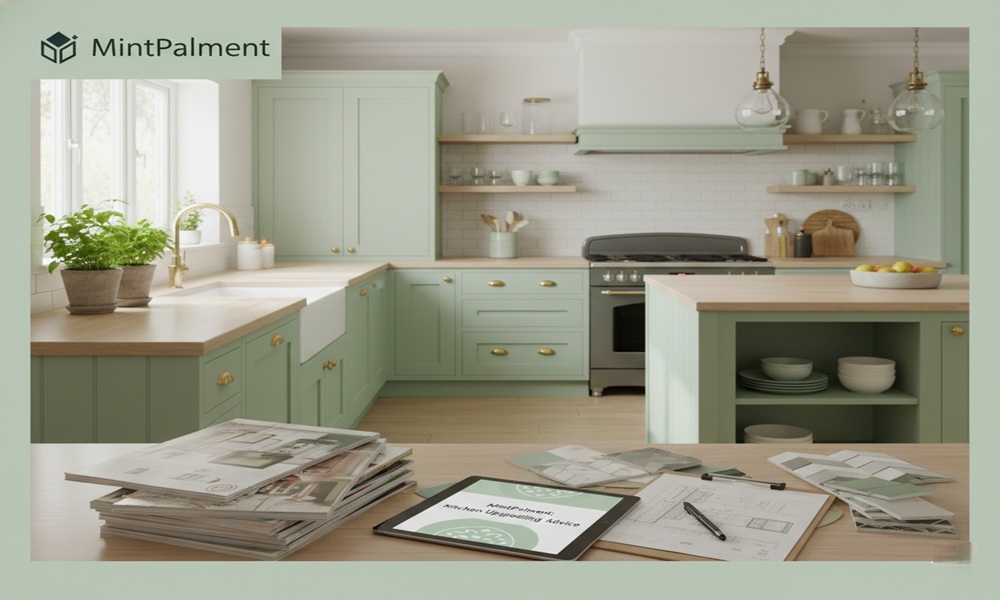
The kitchen is no longer just a place where meals get made. In 2026, it has evolved into the most multifunctional space in the home — a social hub, a workspace, a wellness corner, and a design statement all rolled into one. Whether you are planning a full gut renovation or a targeted upgrade on a modest budget, knowing what to do, when to do it, and how much to spend can be the difference between a kitchen that adds real value and one that drains your savings with little to show for it.
This guide covers everything you need to make confident, informed kitchen upgrading decisions in 2026 — backed by the latest data, designer insights, and ROI figures.
Why Upgrading Your Kitchen in 2026 Makes Sense
Kitchen upgrades consistently rank as one of the highest-return home improvement projects. According to the 2025 Zonda Cost vs. Value Report, a minor kitchen remodel in the $28,000 to $30,000 range delivers the best ROI of any interior home improvement project at 112.9% nationally.
Meanwhile, data indicates that minor kitchen remodels recoup approximately 70–80% of their costs upon resale, whereas major remodels recover about 50–60% of the investment.
The message is clear: strategic, targeted upgrades outperform expensive full overhauls almost every time.
The 2026 Kitchen: What Has Changed
The kitchen has always been the heart of the home, but in 2026, it’s becoming something even more powerful — a multifunctional space that blends style, technology, sustainability, and long-term value. Homeowners are no longer remodeling just for aesthetics; they’re investing in smarter layouts, durable materials, and features that improve daily living while increasing resale potential.
Rather than chasing short-term trends, designers are advising homeowners to focus on kitchen upgrades that are timeless, functional, and tailored to their personal style.
Three major forces are shaping kitchen upgrades in 2026:
- Purpose-driven design — layouts built around how you actually cook and live
- Quiet luxury — premium materials with understated finishes
- Smart sustainability — eco-friendly choices that also cut utility costs
Understanding Your Budget Before You Begin
Before picking paint colours or countertop samples, set a realistic financial framework. Budget misalignment is the number-one reason kitchen projects go sideways.
Remodel Cost Tiers in 2026
| Remodel Type | Typical Cost Range | What It Includes | Avg. ROI |
|---|---|---|---|
| Minor / Cosmetic | $25,000 – $30,000 | Cabinet refacing, countertop swap, appliance update, lighting | 95–113% |
| Mid-Range | $45,000 – $85,000 | New cabinetry, full appliance set, flooring, layout tweaks | 50–75% |
| Major / Upscale | $100,000 – $160,000+ | Full gut, custom cabinets, structural changes, luxury finishes | 36–51% |
Expert Rule of Thumb: Experts suggest spending around 15% of your home’s total value on a kitchen renovation. For instance, if your home is valued at $350,000, a $52,500 budget is advisable.
Budget Allocation Breakdown
Allocate funds across categories like materials (50%), labour (30%), and appliances (20%), adding a 10–15% buffer for surprises like hidden wiring issues.
Important 2026 Note on Tariffs: Tariffs on imported kitchen cabinets and vanities were set at 25% in October 2025, with further increases scheduled for 2026. Domestically manufactured cabinet lines are not subject to those increases. Factor this into your cabinetry budget and consider domestic suppliers to keep costs predictable.
Top Kitchen Upgrading Areas: What to Prioritise
1. Cabinets — The Biggest Bang for Your Buck
Cabinets consume the largest share of any kitchen budget, typically accounting for 25% to 35% of the total cost. Stock cabinets can start at $5,000, while semi-custom or custom cabinetry can range from $10,000 to $25,000 depending on size, material, and features.
If your cabinet boxes are structurally sound, refacing is the smart move. Cabinet refacing — updating cabinet fronts — can yield an impressive 96.1% ROI.
2026 Cabinet Style Trends:
Wood has claimed the top spot for kitchen cabinet colour in 2026. Nearly 3 in 10 renovating homeowners (29%) are choosing wood cabinets — a 6-percentage-point jump from the previous year, pushing white into second place at 28%.
Designers are now incorporating furniture-style pieces that create a collected, layered look — an approach often called “unfitted cabinetry,” where the kitchen includes a mix of built-in cabinets and furniture-like storage pieces that feel as though they were added over time.
Other cabinet styles gaining traction in 2026:
- Curved cabinet edges and rounded corners
- Exposed hinges and decorative metal mesh inserts
- Floor-to-ceiling panels that conceal appliances
- Shaker-style doors in warm off-white, cream, or oat tones
2. Countertops — Where Style Meets Function
Quartz countertops can return up to 80% ROI, making them one of the smartest investments for homeowners planning a kitchen remodel. Experts say natural stone surfaces dominate trends in 2026, with 58% highlighting their durability, timeless appeal, and high-end look.
| Countertop Material | Cost (Installed) | ROI | Best For |
|---|---|---|---|
| Quartz | $50–$100/sq ft | Up to 80% | Daily use, families, resale |
| Granite | $45–$90/sq ft | 60–70% | Classic, high-end look |
| Sintered Stone | $60–$120/sq ft | 65–75% | Modern, heat/scratch resistant |
| Laminate | $15–$25/sq ft | 40–50% | Budget refresh, rentals |
| Recycled Glass | $50–$100/sq ft | 55–65% | Eco-conscious buyers |
Another growing countertop trend is integrated sinks (according to 45% of professionals), which blend seamlessly with the countertop for a modern, minimalist aesthetic that’s both stylish and timeless.
3. Appliances — Smart, Efficient, Integrated
In 2026, appliance upgrades are about more than stainless steel aesthetics. Efficient appliance models for ranges, dishwashers, and refrigerators reduce energy consumption by 25–30%, attracting eco-conscious buyers. Allocate $6,000 to $9,000 for a mid-range set, expecting 80–90% recouped value.
Smart kitchens are more intuitive than ever. From touchless faucets and voice-activated lighting to refrigerators that track groceries and suggest recipes, technology is enhancing convenience and efficiency.
What to look for in 2026 appliances:
- ENERGY STAR certification (reduces utility bills + appeals to buyers)
- Wi-Fi connectivity and smart home integration
- Panel-ready designs that hide behind custom cabinetry
- Induction cooktops replacing gas in eco-forward kitchens
The concealed kitchen is all about keeping things sleek and subtle — appliances hidden behind custom panels that match your cabinetry, making your kitchen feel more like a part of the room.
4. Lighting — Underrated, High ROI
Effective lighting combines task, ambient, and accent layers to illuminate workspaces and create warmth. Install under-cabinet LEDs for precise prep areas, pendants over islands for focal points, and recessed cans for general illumination. This upgrade yields 70% ROI by making the kitchen versatile and inviting.
The 2026 Lighting Formula:
| Layer | Type | Purpose |
|---|---|---|
| Ambient | Recessed ceiling cans | General illumination |
| Task | Under-cabinet LED strips | Safe, precise prep work |
| Accent | Pendant lights over island | Focal point + atmosphere |
| Decorative | Sculptural oversized fixtures | Design statement |
Oversized pendants suspended above your kitchen island have evolved — what’s changed is how they behave in the room. Lighting in 2026 sees them as three-dimensional installations holding space with real architectural weight. Asymmetrical arrangements are also popular, with multiple fixtures hanging at different heights along the island.
5. Storage & Layout — The Quiet Revolution
Clutter-free kitchens are highly desirable, and homeowners are prioritising smart storage solutions that maximise every inch of space. Deep drawers, pull-out pantry systems, hidden compartments, and vertical storage options are becoming essential.
Appliance garages are becoming popular for hiding small appliances behind closed doors. Hidden coffee stations are also appearing inside cabinets. Other storage trends include pull-out pantry systems and deep drawer storage in lower cabinets — these drawers allow homeowners to easily store dishes, pots, and pans while keeping the kitchen visually clean.
Layout tip: Focus on creating a work triangle that minimises movement between sink, stove, and refrigerator. Any layout change that improves this triangle will be immediately felt in daily cooking.
2026 Kitchen Design Trends Worth Knowing
Kitchen trends 2026 are quieter, more embedded. They focus on form that supports habit, shaped by the same considerations driving change across architecture and design worldwide.
Colour Palette Shift
Gone is the all-white kitchen as the default. Colour trends in 2026 are shifting toward bold yet balanced palettes. More homeowners are embracing deeper tones like navy, forest green, charcoal, and even black for cabinetry or accents. These colours add depth and personality without overwhelming the space. Paired with warm metals like brushed brass or copper, they create a sophisticated, high-end look.
Warm Materials Dominate
Key trends include ‘kitchen facelifts’ with warmer materials and hidden storage, appliance upgrades, investment in high-end timeless materials, adding more natural light, and embracing character-driven design with bold colours and patterns.
Designers are getting bolder with material pairings — granite that meets unfinished wood within a chrome framework. Some of the most striking pieces play with scale: massive stone slabs resting on delicate metal frameworks.
The Social Kitchen Island
Kitchen islands have evolved from simple extensions of cabinetry into central gathering spaces for the home. Modern kitchen island design focuses on multifunctionality. In 2026, more than half of renovating homeowners (58%) either add an island or upgrade an existing one when remodelling their kitchen. More than half of upgraded islands now exceed 7 feet in length.
Sustainability as Standard
Energy-efficient appliances, water-saving fixtures, and eco-friendly materials are no longer optional — they’re expected. Cabinets made from recycled or responsibly sourced wood, low-VOC paints, and LED lighting systems are becoming standard features.
High-ROI Upgrades at a Glance
| Upgrade | Estimated Cost | ROI Range | 2026 Relevance |
|---|---|---|---|
| Cabinet Refacing | $8,000–$12,000 | 85–96% | ⭐⭐⭐⭐⭐ |
| Quartz Countertops | $3,000–$7,000 | 70–80% | ⭐⭐⭐⭐⭐ |
| LED Lighting Overhaul | $1,500–$3,000 | 70–80% | ⭐⭐⭐⭐⭐ |
| Energy-Efficient Appliances | $6,000–$9,000 | 80–90% | ⭐⭐⭐⭐⭐ |
| Tile Backsplash | $1,000–$3,000 | 50–70% | ⭐⭐⭐⭐ |
| Kitchen Island Addition | $5,000–$15,000 | 60–75% | ⭐⭐⭐⭐ |
| Smart Tech Integration | $2,000–$6,000 | 55–65% | ⭐⭐⭐⭐ |
| Full Layout Restructure | $5,000–$10,000 | 50–85% | ⭐⭐⭐ |
Common Kitchen Upgrading Mistakes to Avoid
Even the best-intentioned projects can go wrong. Here are the most critical pitfalls to sidestep in 2026:
1. Over-personalising the design. Bold, highly personal choices — unusual colour schemes, unconventional layouts — can reduce buyer appeal. Following current design trends can boost ROI, while overly personalised styles may limit appeal.
2. Moving plumbing or gas lines unnecessarily. Relocating sinks, stoves, or outlets incurs significant labour fees, often exceeding $5,000. If the current configuration supports efficient workflow, concentrate on surface-level refreshes.
3. Spending most of your budget on what you can’t see. Prioritise the elements buyers and guests immediately notice — countertops, cabinets, lighting — before spending on behind-the-wall plumbing or electrical rerouting.
4. Ignoring the tariff impact on imported cabinets. With a 25%+ tariff now active on imported cabinet lines, choosing domestically manufactured options or considering refacing instead of replacement can save thousands.
5. Going it alone on complex projects. The vast majority of homeowners (86%) hire a professional, with general contractors in high demand. For structural work, electrical, or plumbing changes, professional involvement pays for itself.
Step-by-Step: How to Plan Your Kitchen Upgrade in 2026
A well-structured plan prevents the costly on-the-fly decisions that balloon budgets. Follow this sequence:
- Audit your current kitchen — Identify what works, what doesn’t, and what is purely cosmetic versus structural.
- Define your goal — Are you upgrading to sell, to live better, or both? Your goal changes your priorities.
- Set a realistic budget — Use the 5–15% of home value rule. Build in a 10–15% contingency buffer.
- Prioritise high-ROI upgrades first — Cabinets, countertops, lighting, and appliances before anything else.
- Research materials early — Lead times for custom cabinets and stone countertops can run 6–12 weeks in 2026. Order early.
- Hire the right professionals — Get at least three quotes. Check reviews, licences, and project portfolios.
- Time it well — Spring and summer are ideal for remodelling due to favourable weather and contractor availability.
- Do a final walkthrough — Before releasing final payment, verify all finishes, alignments, and functionality against the original scope.
Quick Wins: Affordable Kitchen Upgrades Under $2,000
Not every upgrade needs a major financial commitment. These targeted changes deliver noticeable impact without breaking the bank:
- Swap cabinet hardware — New brushed brass, matte black, or chrome pulls instantly modernise outdated cabinets for under $300.
- Paint cabinets — Professional cabinet painting costs $1,000–$2,000 and can add thousands to perceived value.
- Install under-cabinet LED lighting — A weekend DIY project costing $150–$400 that transforms nighttime cooking.
- Update the tap and sink fixtures — A touchless or pull-down faucet in brushed nickel runs $200–$600 and reads as a premium detail.
- Add a statement backsplash — Peel-and-stick or standard tile options start from $300 and dramatically change the room’s feel.
- Hang a new pendant light — A single well-chosen pendant over your island or peninsula costs $100–$500 and anchors the space.
Final Thoughts
A kitchen upgrade in 2026 is not about following every trend or spending the most — it is about making deliberate, informed choices that improve how you live in the space today and maximise what the space returns to you tomorrow. Whether your budget is $1,500 or $150,000, the principles remain the same: focus on high-impact areas, choose durable and timeless materials, embrace smart and sustainable features, and always plan before you pick up a paintbrush.
The kitchens that age best — and sell best — are the ones built with clarity of purpose and quality of execution. Start there, and the rest will follow.
